
The Convenience Store by the Sea
by Sonoko Machida
translated by Bruno Navasky
When a translated novel references real-world pop culture, it often raises my eyebrow; call it unresolved trauma from my time as a Working Designs player, or perhaps Pokémon watcher. Ah, and not to forget the entirety of the Sorcerer’s Stone, that was a bit outlandish. American children aren’t allowed to know other places exist!
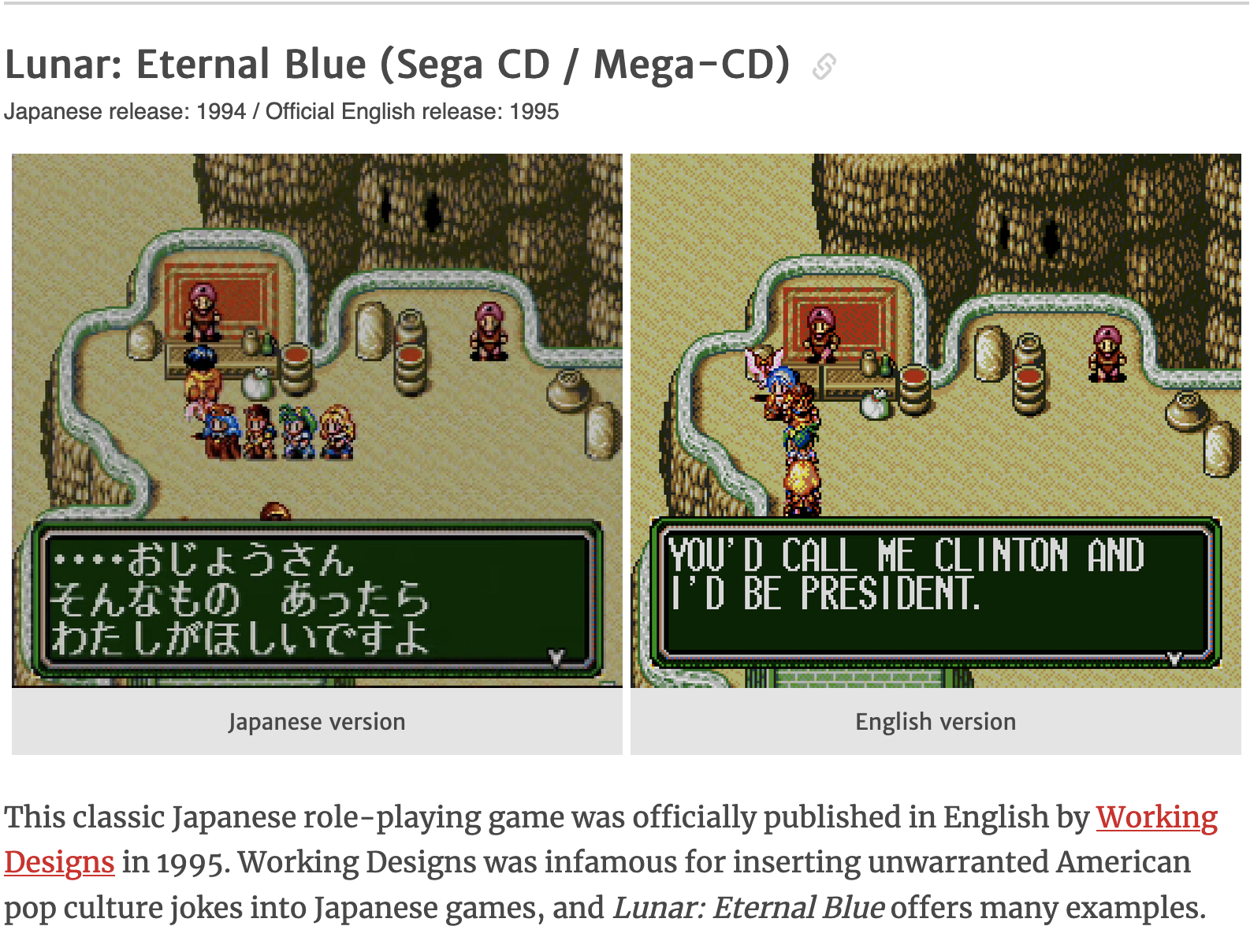
i’ve written about legends of localization books!

my children are all under five and can easily comprehend onigiri >:O
The one that set off my donut/onigiri-alarm arose deep into The Convenience Store by the Sea, too deep for the amazon.jp sample to cover. Do you know if “let” the google ai know–simply by using search–that you’re looking for book pdfs, it’ll shame you?

don’t judge me
Just trying to do research, my guy.
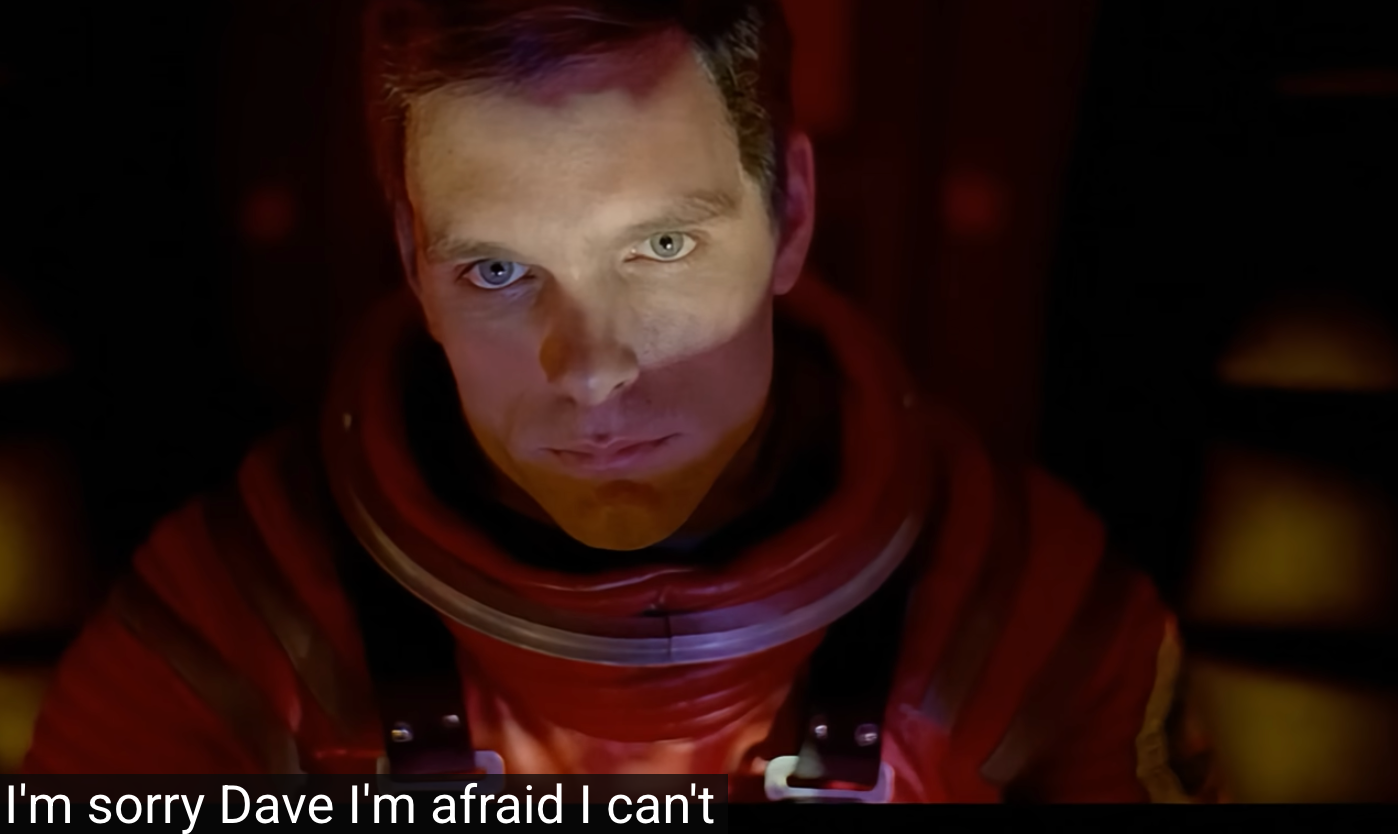
only thing i know is HAL is IBM one letter back
It is quite sad to bear witness to the decline and fall of the promise of online information structuring in a single lifetime, but so it goes. Anyway, on to my question about whether something was inserted via localization or was in the original text!
There is a paragraph about DINKs:
At some point, someone had explained to him that there were couples who deliberately avoided having children. They were called “DINKs”—dual income, no kids. Of course, people led all different sorts of lives. He accepted that.

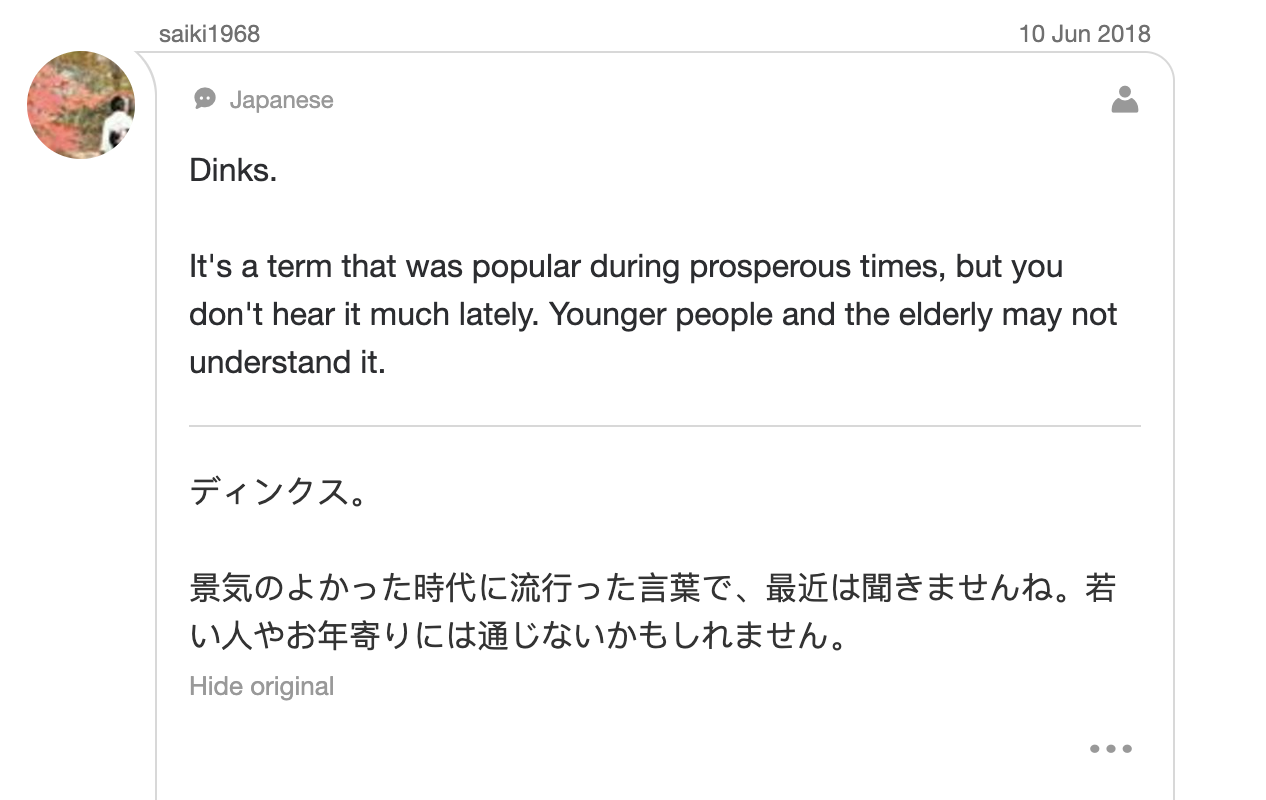
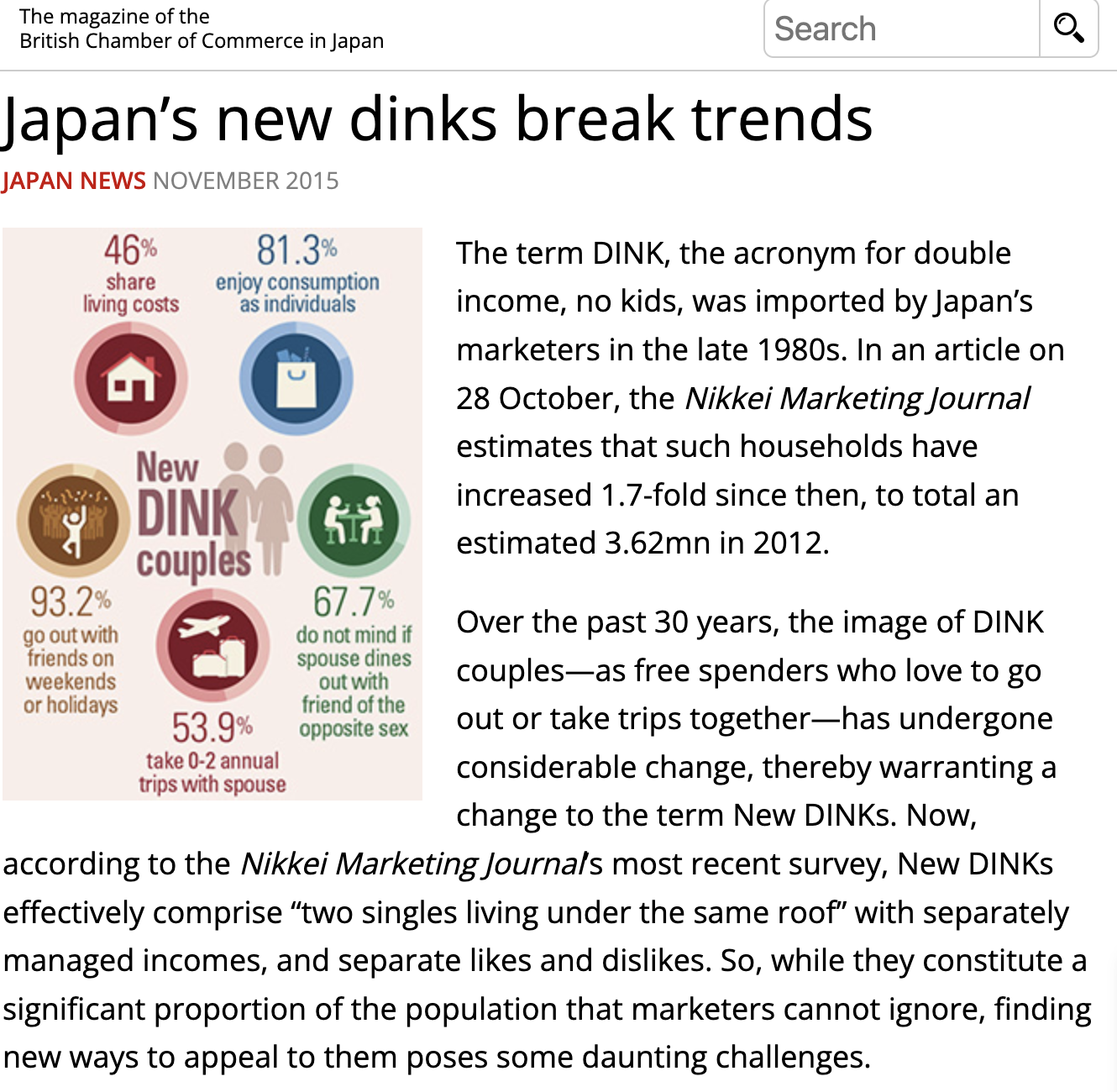
Without easy access to the totality of the original Japanese release of The Convenience Store By the Sea, I had to go outside the text to validate my suspicions, and, well, I guess DINK has a history as a loanword (loan acronym?), so that’s probably just there.
If I’m keeping a running tally, it seems pretty unlikely currently that a professional translator is going to simply just insert the Americanized version of something into a text. It hasn’t happened in any of the books I’ve read recently, at least not for references I’ve noted and checked out. Culturally, I hope we remain past the point where a translated novel is going to pretend it didn’t come from somewhere else. Unless that’s the point: a New Yorker article about a few new re-translations of Dante’s Divine Comedy “…make Dante our contemporary. Led Zeppelin, Charles Mingus, Cyndi Lauper, and “The Wizard of Oz,” to name a few, contribute lyrics and phrases and appear in the scholarly (if sometimes wryly po-faced) footnotes.” But the difference between these landmark texts and, say, Lunar, is that no one is going to be caught off-guard, picking up Inferno from a library without context. If you’re reading Inferno, you likely know you wouldn’t understand 14th century Florentine gossip without it being localized into something new. Nobody is trying to trick you into thinking the Yellow Power Ranger was always a girl, for instance. Why doesn’t she have a skirt, Bart?
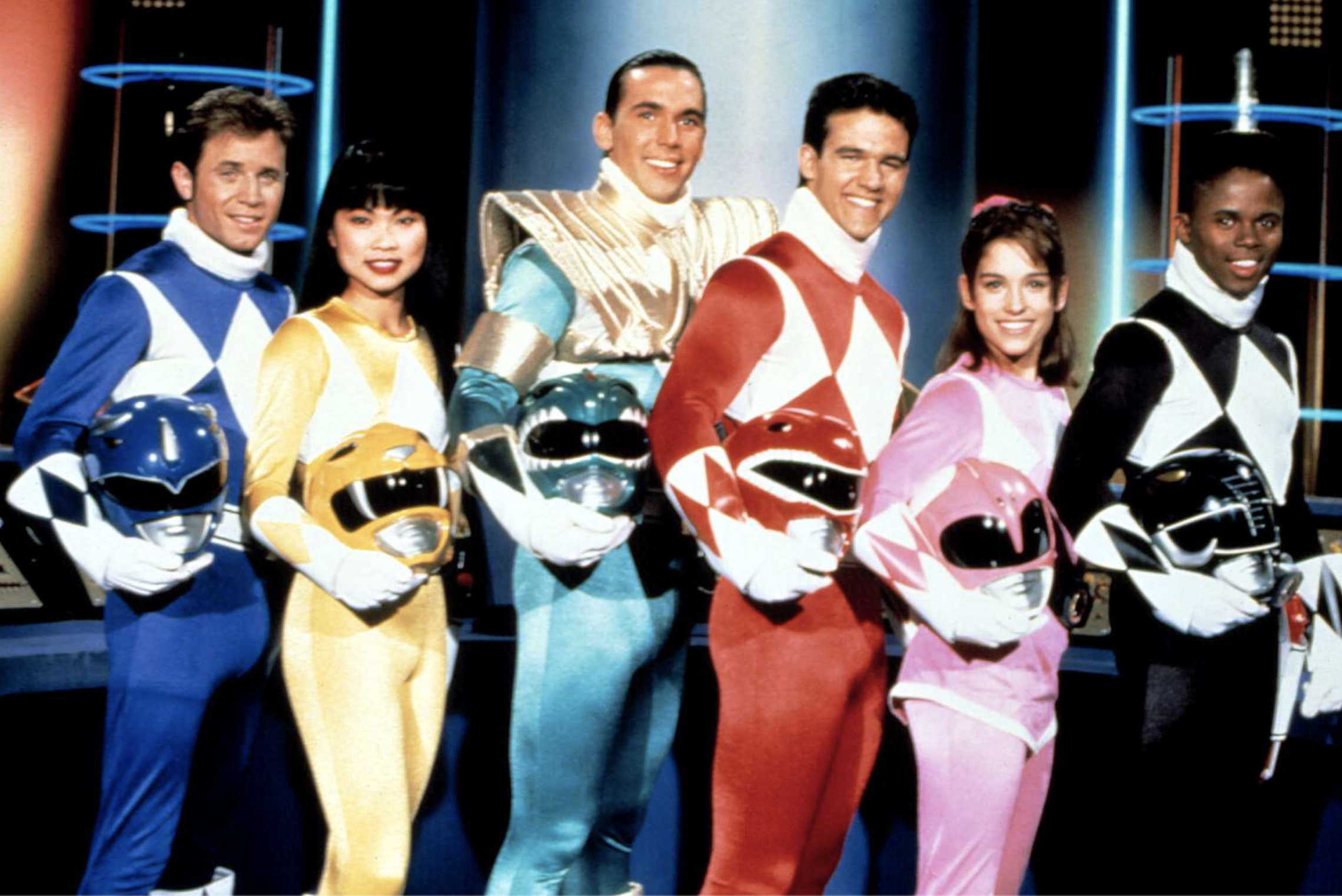
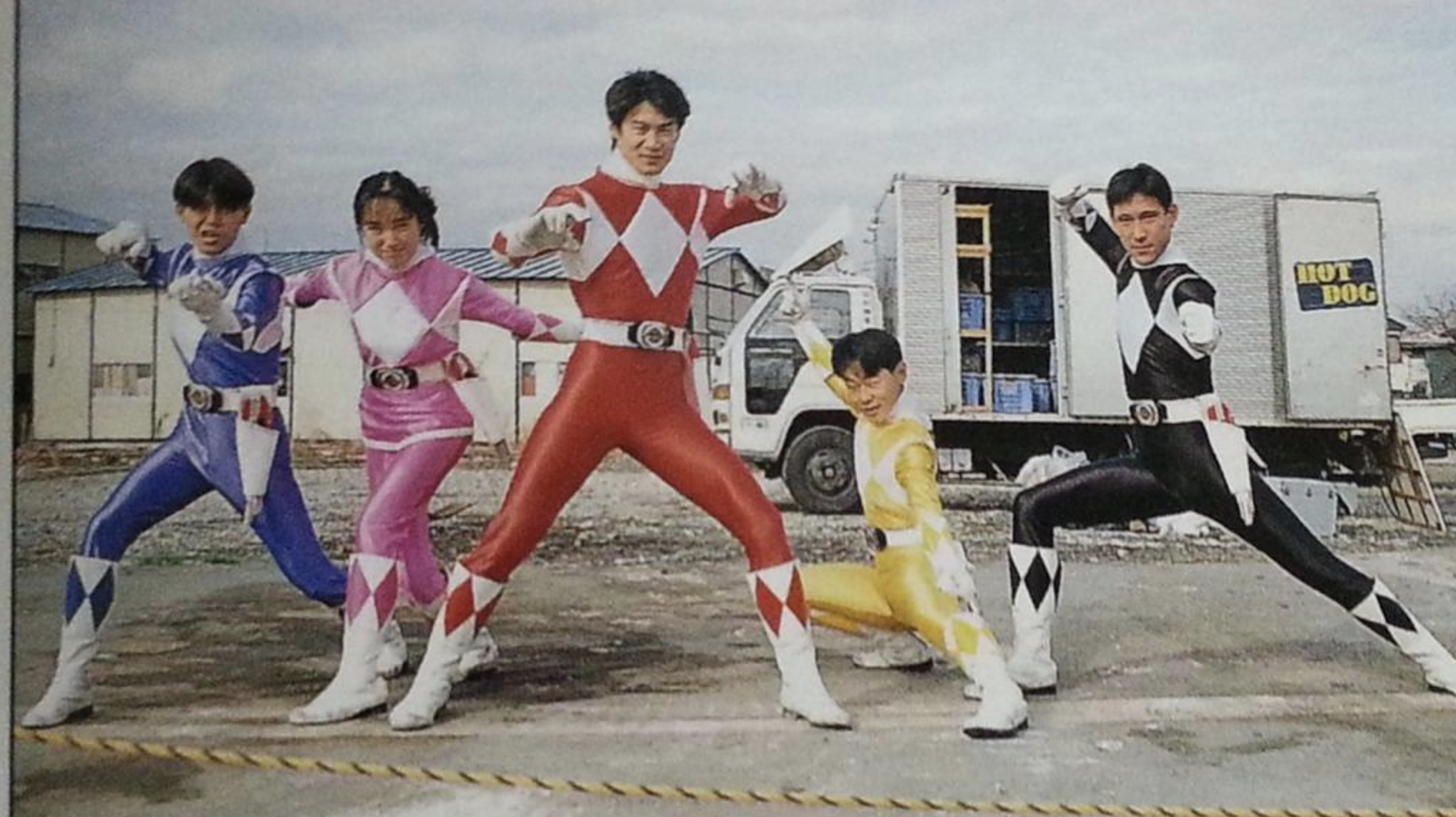
Because she was originally a boy character!
For the record, I think the total recut of Power Rangers vs the original Super Sentai footage is pretty neat and fun and realistically not tricking anyone—that doesn’t enter into the localization conversation because it’s completely altering the work, akin more to collage or remix than translation. Power Rangers has almost nothing to do with our book about the convenience store—my understanding is that “convenience store” is portmanteau’d into konbini in Japan—beyond idle musing about how some of the core characters in Sea Konbini, like the Whatever Guy, are basically super-powered:
Niseko was no older than Yoshirō, but had the power to move an entire convenience store chain. And now, the stubborn master of a coffee shop as well. So Niseko was sure not only a person of common sense, but also one of energy and influence. Who was it? He really hoped they could meet somehow. Yoshirō felt sure Niseko would be able to size him up accurately, help him take stock of life, and advise him on what was lacking.
In my searching that was perfectly legitimate and not at all weird (he says to the google drive spies) I also found that Sea Konbini has a manga adaptation, which is quite meta given that one of the characters in the story creates a manga about the story.
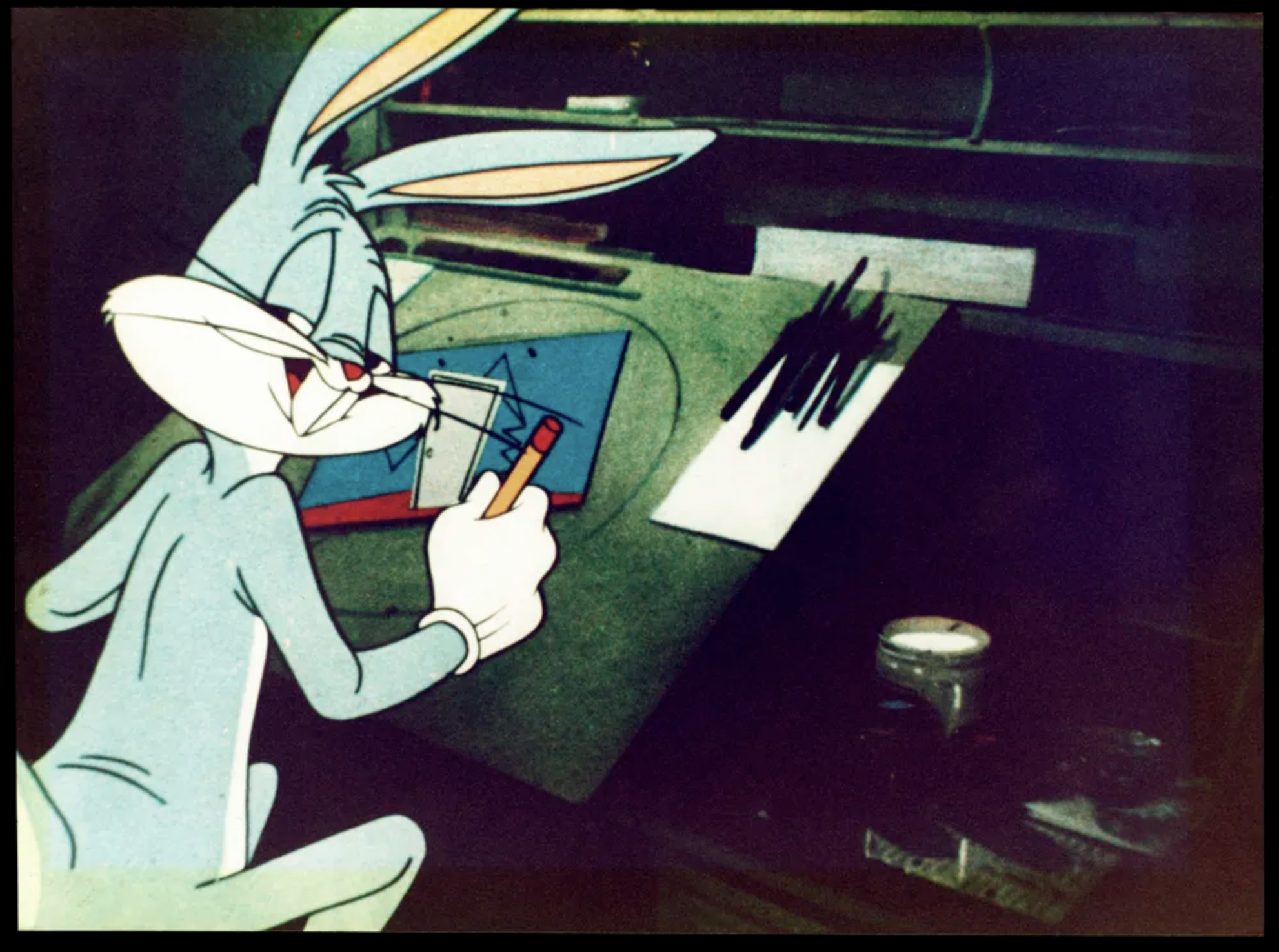
a manga about drawing manga, what is this, school rumble?
There are also four more books in the series, and the whole “by the sea” titular detailing is new: the series is called The Convenience Store Brothers, though at least one of the siblings that we’ve met is a sister. And while I’m still not sure why they didn’t want to go with “bodega” rather than “convenience store,“ the store itself, as well as the first book in the series, is called Tenderness, which I find incredibly off-putting so I completely understand why that is not in the title.
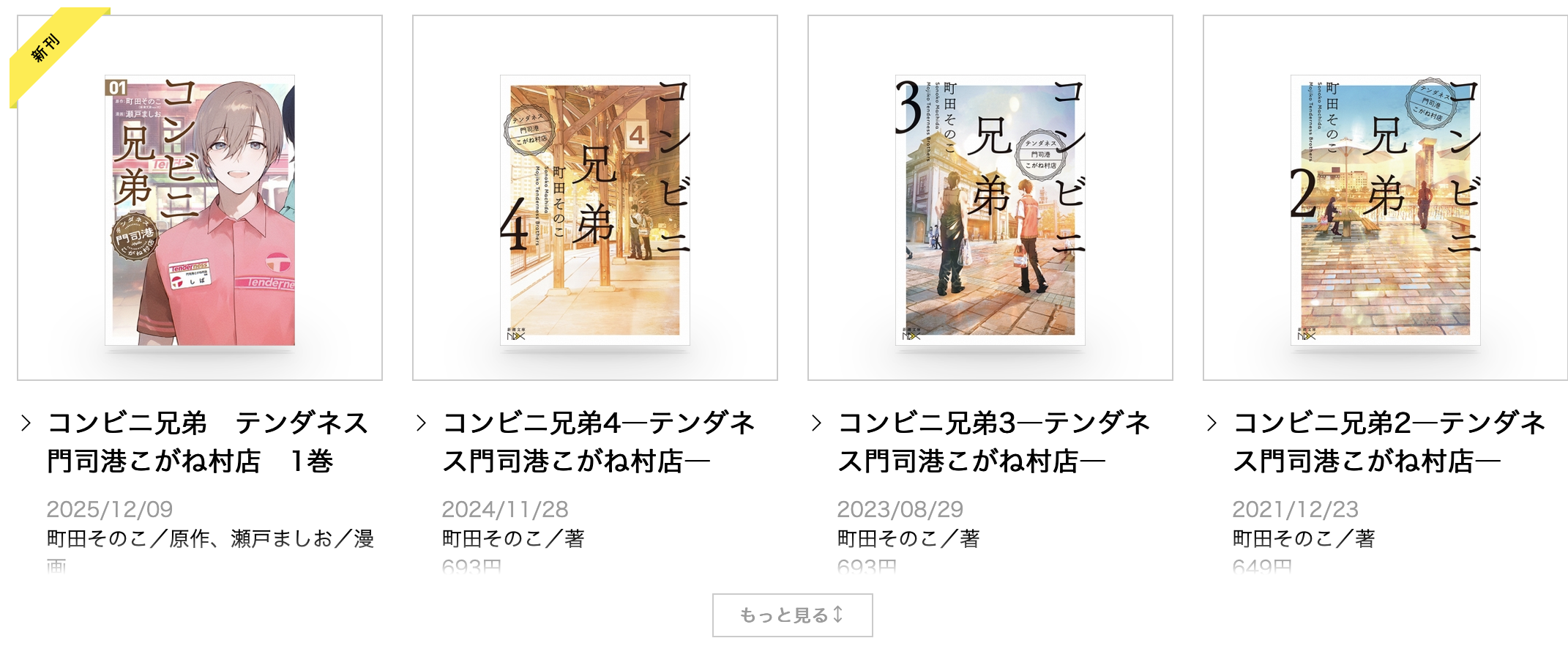
A five-deep series and it has little sticker on the cover that say “international bestseller” about a store with a sappy title named Tenderness? These are all ingredients to cook up a fluff piece, a book devoid of the lumps or spices. To have such universal appeal, one fears an object must by mild enough to allow anyone and everyone to approach it.
However, this book is not a soft mush of tepid text. It’s a handful of stories radiating out from the convenience store, interrelated people anchored to one single location. This format is one I kind of love: Welcome to the Hyunam Dong Bookshop did it; What You Are Looking for is in the Library did it, too. Is it necessary to distinguish Hyunam Dong, where there is a “main” character that draws most of the focus, from Sea Konbini, where each chapter fully wraps around a distinct person? An argument that Mitsuri is the protagonist doesn’t work for me—she’s around, but when she’s not around nobody’s asking, “Where’s Mitsuri?”
If you haven’t really dipped your toe into this collected-tale genre but you’re old/American enough to remember Empire Records, that’s a helpful place to start.
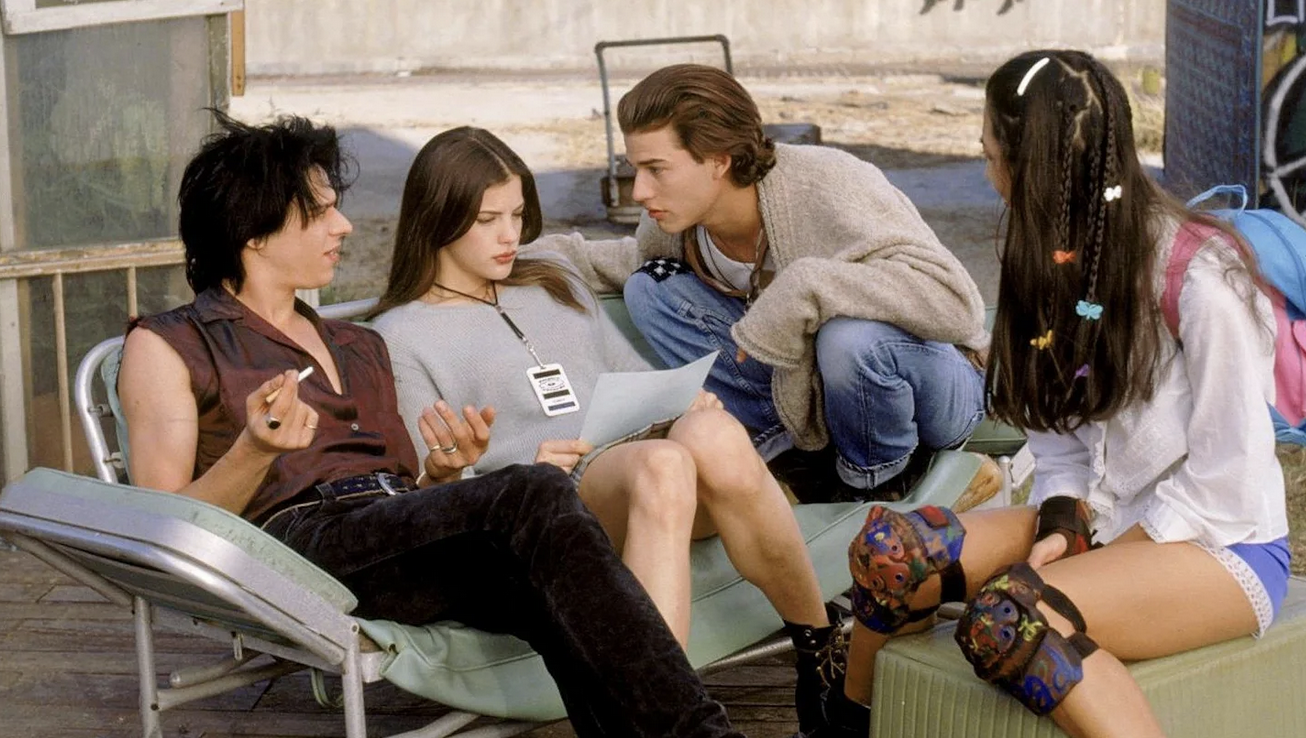
could be tenderness employees
Empire is my core for ensemble storytelling: while I consider Liv Tyler the main character, it’s not like she’s in every scene. To trust your audience to come with you outside of the early-established perspective is kind of a big deal. If you dip your toe into any online forum where fiction is being discussed, someone will boldly pronounce their comfort with skipping POV chapters that aren’t the characters they “like.” I mean, I did it too, when I was a teen. So these people online, they’re probably teens, right? Maybe I should think less about how teens interpret Empire Records. Have I seen Empire Records since I was a teen? Oh boy, ouroboros.
This format, with the heart of an ensemble, has to have a name. Composite structuring doesn’t quite fit. If I was in the business of making up genre definitions, I’d call them radiant-hub novels, or maybe hub-and-spoke composite novels? Radiant ensembles? What if Empire Records didn’t center on Rex Manning Day, but just a regular day at the store? What if sometimes we followed a customer as they interacted with the staff, and then continued their day elsewhere? What if it was a prestige HBO miniseries? What if it was a five-book series? What if someone who didn’t grow up in the U.S. was out there trying to fact-check the translation of “the 18,000 dollar question” or a “hallmark moment” to their native?
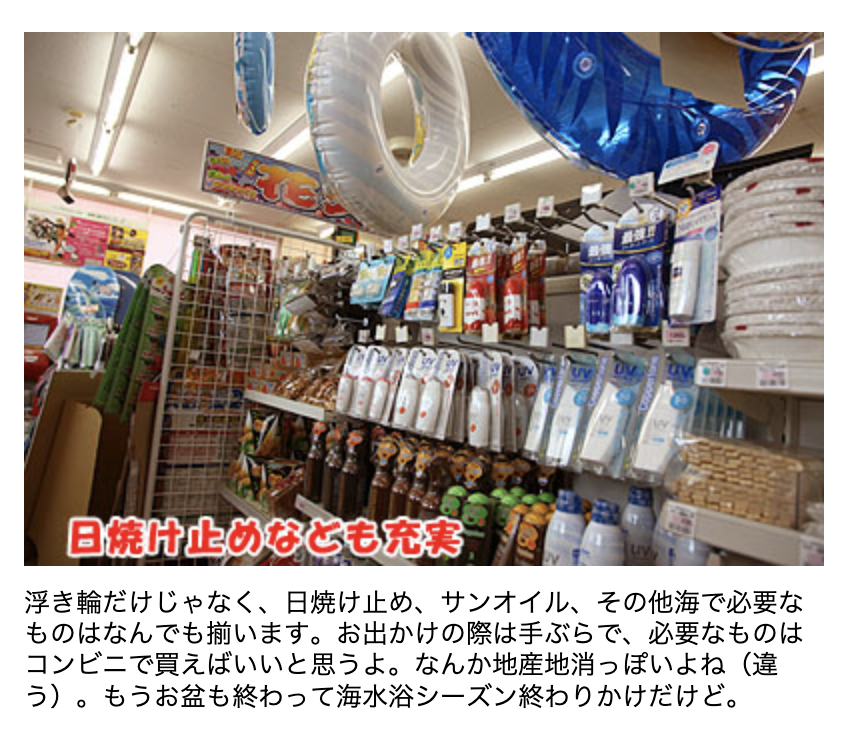
this is sort of what I picture for no reason
Anyway, I am not sure what I am getting from all these slice-of-life stories, but it is clearly some sort of storytelling nutrient my body craves. I love the lack of world-altering plot, I love the inability to predict who or what each chapter might dive into, and I love how they might be tied to the prior chapters. Sea Konbini goes the furthest afield, taking in retirees one time, teens the next. Some love the konbini, some work there, some flash through the plot and are never seen again.
You never really know what you’re going to find at a convenience store by the sea, but it’s always interesting, usually fun, and always a bit uplifting. I see why people keep coming back.
At least for four more novels.