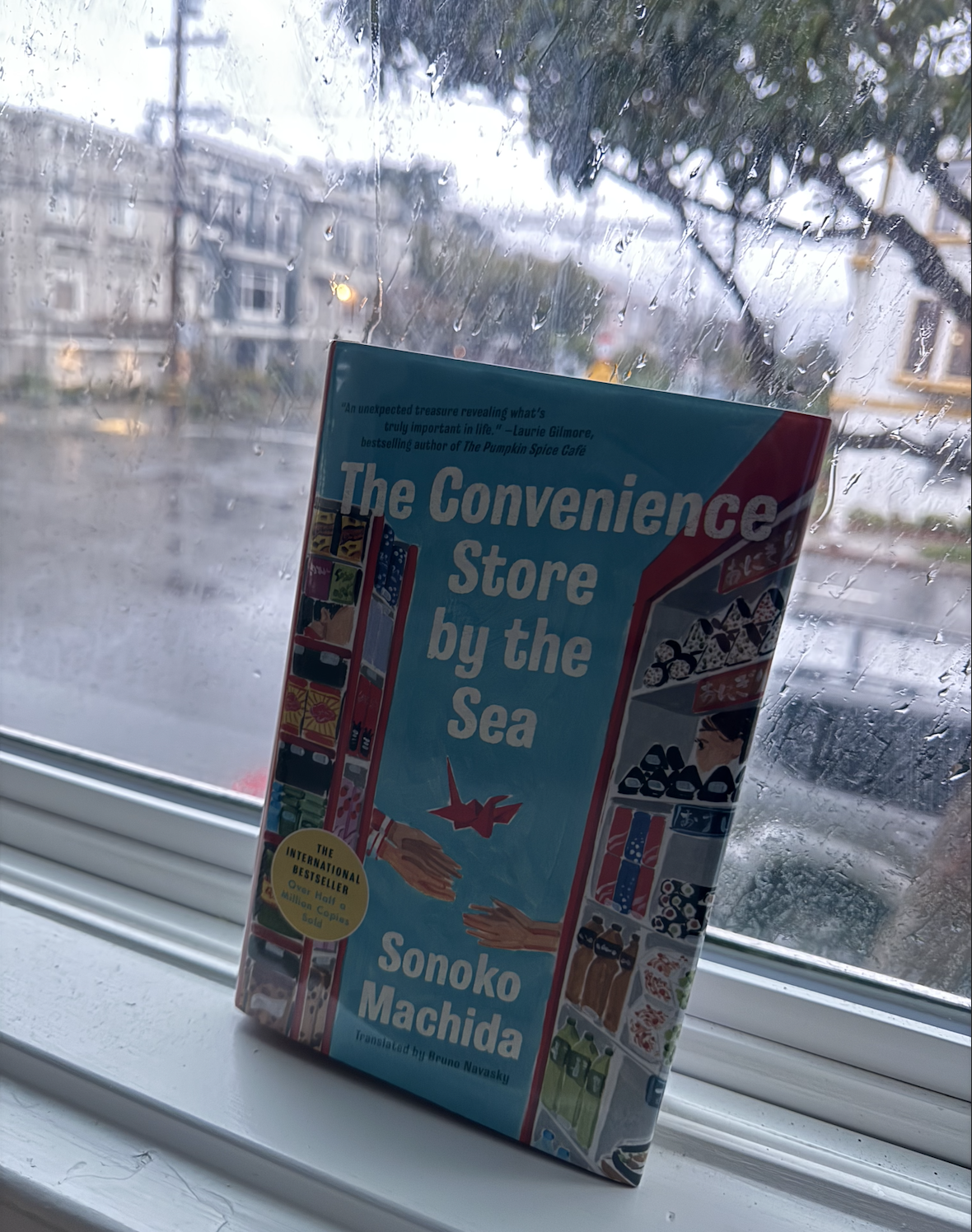
Without easy access to the totality of the original Japanese release of The Convenience Store By the Sea, I had to go outside the text to validate my suspicions, and, well, I guess DINK has a history as a loanword (loan acronym?), so that’s probably just there. If I’m keeping a running tally, it seems pretty unlikely currently that a professional translator is going to simply just insert the Americanized version of something into a text. Culturally, I hope we remain past the point where a translated novel is going to pretend it didn’t come from somewhere else.
Read Morenothing will come close to the early moment in the book where our narrator is at a small dinner party–it is still before her true internality has been reveled, so experiencing her interpersonal uncertainity and self-castigation over offering compliments (“In bourgeois milieus, people rarely compliment each other.”) might shunt us off into a class-and-standing novel, where the crux is an Eliza attempting to fit in with a My Fair Lady crowd. At the conclusion of one of the parlor games, the possibility that her perspective is accurate or even relatable has gone out of the window:
Read MoreSo my husband thinks his best friend is married to a pineapple, while he married a clementine. He lives with a winter fruit, a banal and cheap fruit, a supermarket fruit. A small, ordinary fruit that has none of the indulgence of the orange nor the originality of the grapefruit. A fruit organized into segments, practical and easy to eat, precut, ready for use, proffered in its casing.
Right, so, cue this this book called Strange Weather in Tokyo. There’s a woman who is just sort of faffing about, working a job and existing in the normal—but not literary—sense. If she was just a person you knew, she’d be fine: a job, a home, stuff to eat, hobbies, etc etc. But if you’re reading about her, well, it seems a little flat. Something’s gotta happen, right?
Read More