Posts tagged Korea
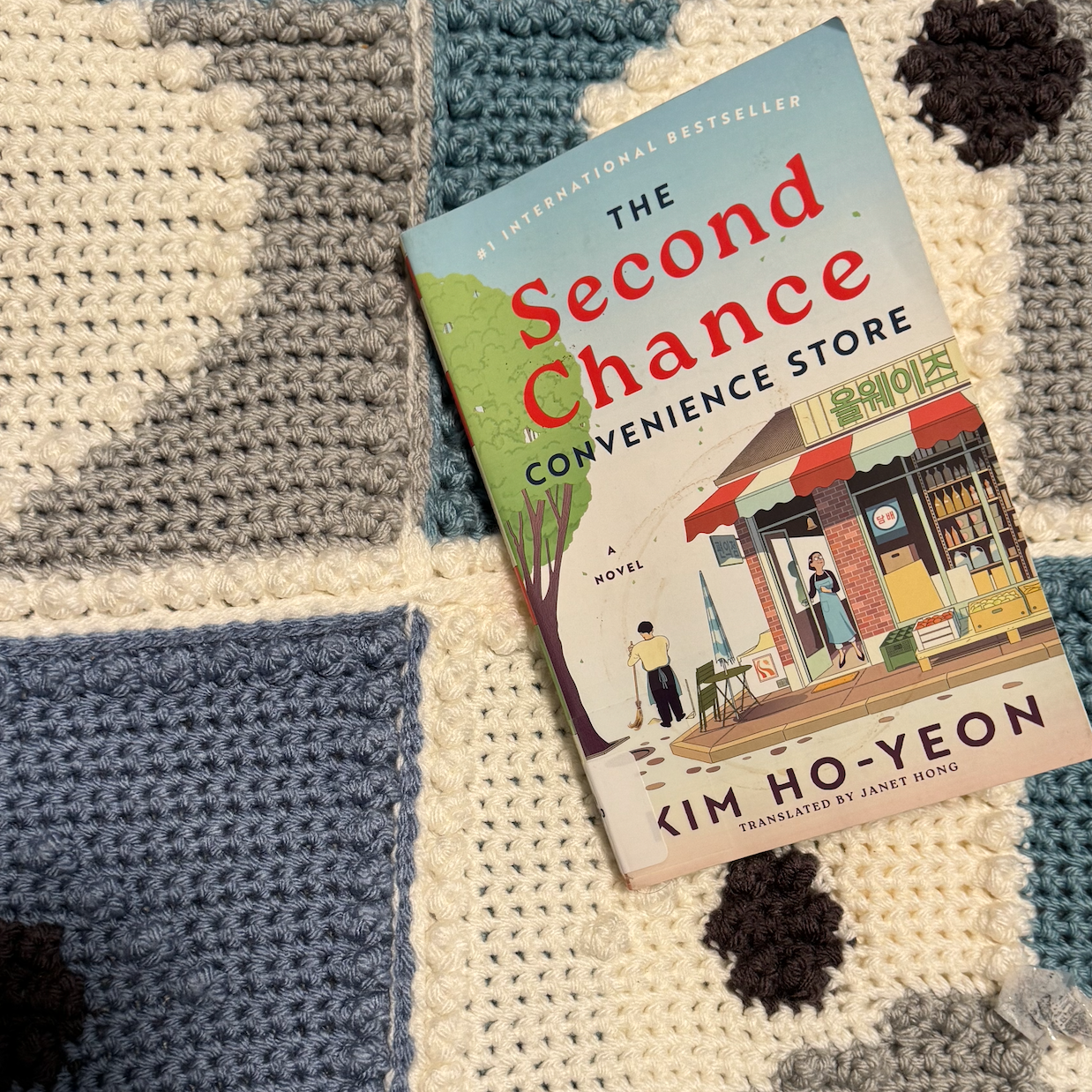
The Second Chance Convenience Store

Dokgo, the “main” character, is a bit of an outlier: an unhoused man with self-inflicted amnesia who is positioned as beyond the standard ills of society and reacts as an idealized outsider might. He responds to physical threats in kind, and when his fists cannot do the talking his halting charisma smooths out a situation. or his guru-like wisdom or intellectual flexing solves the social puzzle as presented. He’s functionally a max-stat RPG protagonist, and you’re just sort of watching him decide via whim which way to solve each of the various subquests that pop up.

I am still a sucker for this structure, though, so even if the vibe was off, it’s still fine.

Read More
Apartment Women

I felt vindicated, of course–here was my idea, inscribed like law onto the very pages of the beloved object itself! Also, I felt a bit deflated: oh, that’s the point; all I did was correctly interpret their intentions. I’ve uncovered nothing novel, drawn no fresh perspective about the content I am receiving. I get it, clearly, but I don’t get it in a way unique unto myself (see, again: egotism).

Even if (when?) you stop reading The New Yorker for content, though, the content will seep in. An article about collapsing birth rates colored my understanding of modern Korea so strongly—without this context, I don’t think I would have understood the basic premise of Apartment Women in the same way.

Read More
Welcome to the Hyunam-dong Bookshop

Few moments mean much beyond the transcription of events as they happen; there is little metaphor or symbolic interpretation at work within the pages. Character growth seems linear–again, like an RPG–where each character in the story has an issue that they confront and then resolve: being a part-time employee makes Jungsuh sad, but meditation helps her accept it; Yeongju want to run a bookshop but it is potentially unsustainable, yet she learns to accept the risk one day at a time; Mincheol feels like life has no broader meaning, but eventually finds meaning enough in simply existing. Characters grow into themselves in the same way a squire grows into a knight–none of them truly change, they just sort of prestige into the next tier of themselves.

Read More