
Just Watch Me
by Lior Torenberg
I watched the academy award winning film Parasite over the course of two nights while being blasted with commercials via Hulu streaming. So, you know, I was truly ensconced in the optimal viewing experience for prestigious media to make the maximum cultural impact upon me. Sarcasm aside, taking that overnight hiatus truly did change the way I considered the film: moments–literal moments–after I started day two I was presented with a scene of sudden, intense, and unexpected (to me) violence, which carried the course of Parasite the rest of way.
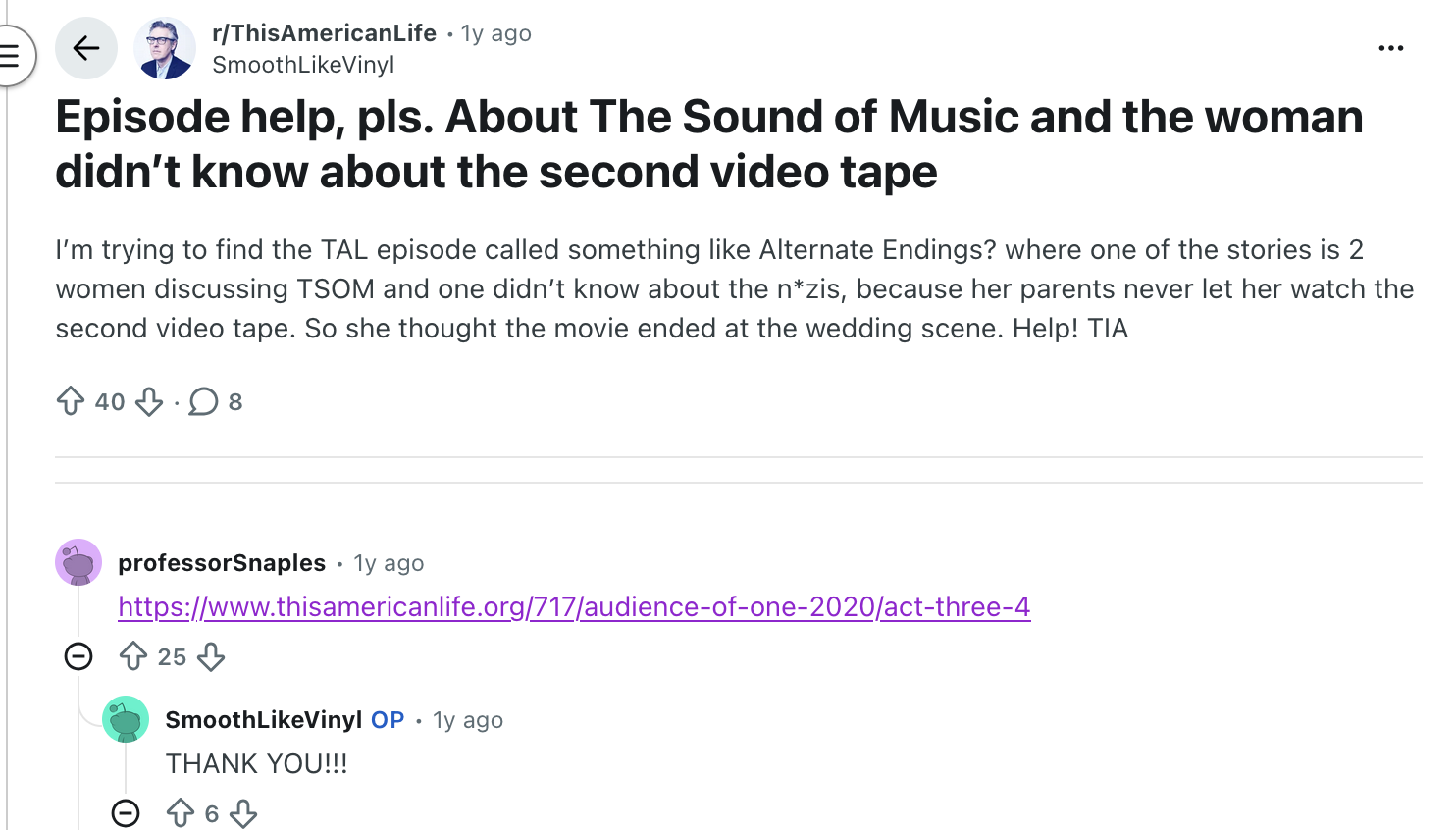
this is not me but i love an archived search query that is identical to my want
My break had inadvertently created a schism between the sort of gentle scam/heist film of the front half and the gruesome inevitability of the representational metaphors depicted, the violent inevitability Parasite promises (it is not, after all, titled Symbiote). I created for myself a This American Life situation, the one where a producer talks about how she never watched the second tape of The Sound of Music, didn’t even know it existed, so the movie of her childhood ended at intermission. Before the Nazi stuff. And we all agree it was more blessing than oversight.
Just Watch Me ran a parallel track: I don’t know why, but I downed this book in two days, and moments after I picked it up on the second day Dell self-immolated. Literal fire we are talking here.
Something about this book really got to me. It’s a simple read, with structurally large font and wide margins that feel inviting. As someone who was a Justin.tv watcher (to find StarCraft 2 matches, not LiveStreams of some dude I didn’t know ¯\_(ツ)_/¯), a book that pokes around in the culture of what is now Amazon-owned twitch feels comfortable to me, like singing along with your favorite High School tunes in the aisle of an Amazon-owned Whole Foods.
cindyrella: OMG whole food is da bomb
jackofnotrades1: thats wher i get my shampoo and conditioner
jackofnotrades1: where
The livechat format is not disruptive to the flow of the book, which I mean as neither complimentary nor disparaging: it just exists. Goon Squad, a book I reviewed on Amazon-owned website goodreads (man, Amazon sure owns a lot of things) had those gimmicky powerpoints, but chat is still dialogue, no shift in reading style needed. If Just Watch Me wanted chat to be more roadblock than direct dialogue, there would be more than a single instance where it wasn’t presented linearly in time. None of the chaos-parsing skills required in real chat is necessary for the book. Maybe a page of nested boxes of tweet, reply, retweet, which are sometimes cross-posted as screenshots on competing social media sites, might halt some readers that weren’t terminally online. Additionally, I am aware that using the word “retweet” is a lot like how my dad referred to the refrigerator the “icebox” for my whole childhood.
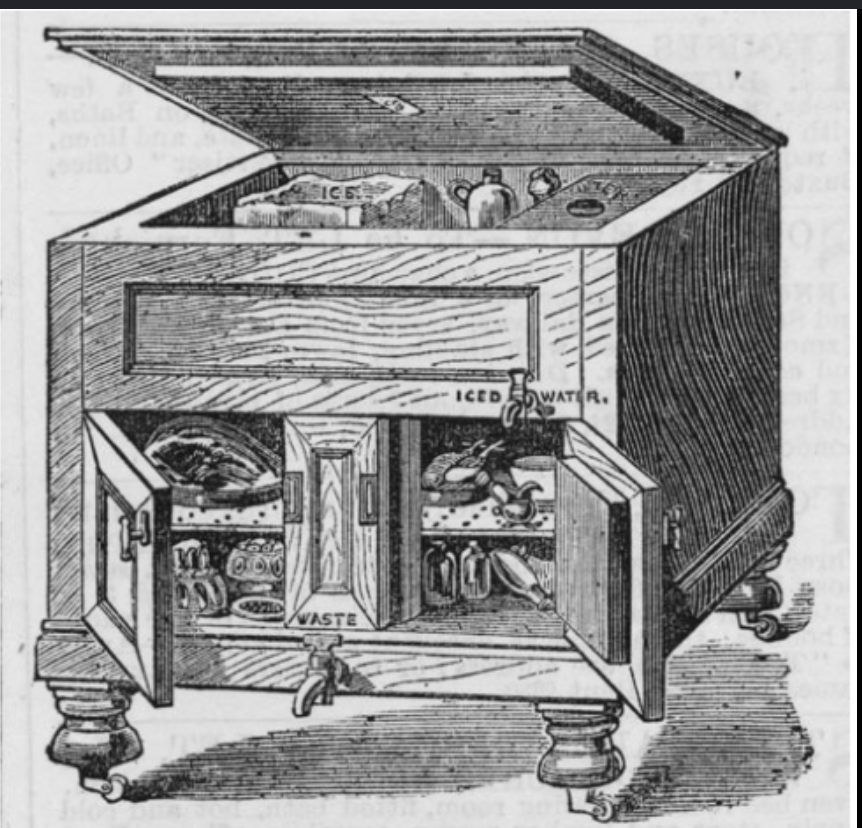
my dad once marked down a paper on WW1 for calling airplanes “jets” because the jet engine didn’t exist until the end of WW2. But still, called our fridge an icebox.
At its heart, Just Watch Me is a frictionless first-person fiction novel where the narrator is a bit clever–“My tears retreat when I spy Dr. Dole down the hall. Head neurologist, a redundant title.”–and bit of a mess: “The New York Harbor is right over there. I could cannonball in, sink or swim. There are so many ways to have a mental breakdown, the options are nearly paralyzing. But if I’m going to fall completely apart, I might as well do it in front of an audience.” She just happens to fall into competitive spicy-eating livestreaming, which is more a vehicle for self-harm than a rousing story of competitive stakes.
There’s a bit of a mystery, too, because the narrator’s sister is in a coma. If you want to read this book without knowing the plot, go read it, come back in a day, and consider yourself lucky I warned you that I no longer dance around what happens within plots because most of the pageviews will be me in five years anyway. Ok, future me, remember that you knew she was lying about something, and that with at least one verb-tense disagreement of “was/is”, it was not hard to deduce her sister had already died. It seemed likely, or at least it was to me, that Dell’s sister was in a coma recently and that the plug had already been pulled. The premise of the book–using the livestream to raise money to put her vegetative sister in private care–is hoax-adjacent wish-fulfillment, more a “what if” larp playing out some sort of existential denial of reality than simple sociopathic manipulation.
I found it quite jarring that everyone treated her like a pariah once it comes out that there is no Daisy (anymore). Honestly, as Just Watch Me rounded to its conclusion, I didn’t understand the lack of sympathy from her audience when they find out her sister was in a coma, the plug was already pulled, and she had pretty recently died. Like, it’s sort of a reasonable–well, understandable more than reasonable–trauma response that Dell retreated to this alternate universe, this past that did exist just months ago, wherein she could crowdsource the money she needed to put Daisy in private care. The week where she is spinning out and doing this faux-fundraising is a week, to her, where Daisy is still saveable. It’s not like it was made up whole cloth.
Who can eat the most Carolina Reapers in a minute? Who can willingly swallow the most pepper spray? It’s like the Olympics for people who hate themselves. My mom, Daisy, Lee–none of them are here to cheer me on, and I have to be okay with that, because it’s all my fault.
For all the odd niche livestreaming subculture presented in the book, the core is watching someone punish themself as they work through guilt and blame and depression. Dell keeps putting dangerous things inside her body–“...and now I’m walking home with five fucking habaneros in my bag like a low-stakes drug mule…”–things of fire and things of pain, and if setting herself on (again, literal) fire didn’t make it clear, she wants to follow her sister into the dark.
This is not Rest & Relaxation, where disliking the narrator is most of the point. While I never found Dell likeable or even funny, I did want her to pull out of her spiral so badly that I couldn’t close the book. Plus, I like twitch more than the ennui of wealth on the Upper East Side. Just Watch Me also uses its subculture better than Tomorrow & Tomorrow did, and it eschews melodrama for classical drama, balancing bleak torments against the struggle to simply exist. “The line between surveillance and communion is thin but strong: not a knife’s edge but a discernable, navigable border.” So, too, the lines between depression, destruction, and doom. Just Watch Me finds something to say about making a spectacle of yourself: why you might do it; what it might do for you; why others might join the fray. And what else, truly, is a novel if not a camera pointed at a character as they go through some shit?